
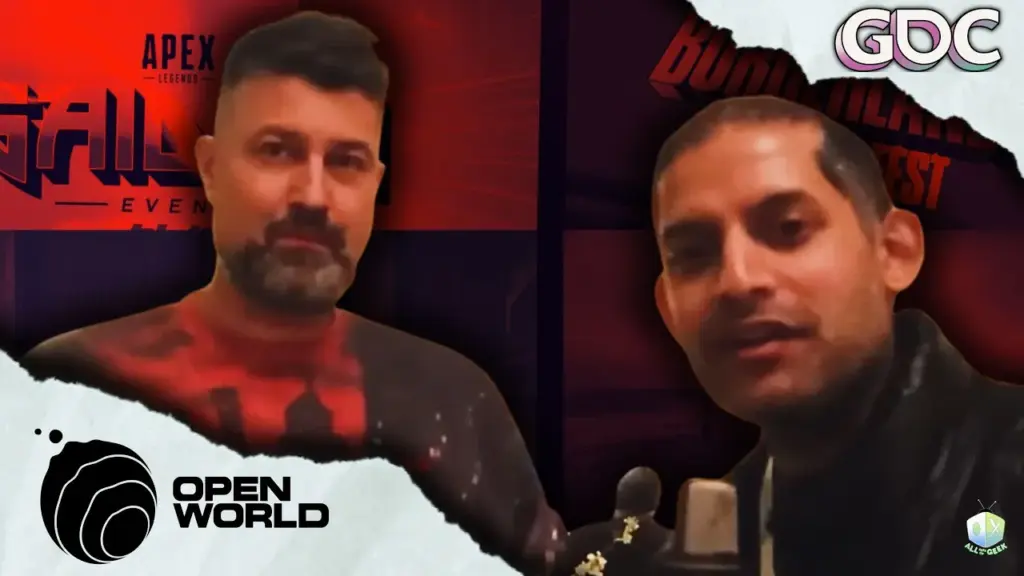

At Game Developers Conference (GDC) 2025, Mufsin sat down with J. Eatedali, director of Open World, to talk about how their work fits into the current state of the game industry.
Open World operates under Loaded, focusing on marketing and data consultancy for games. Their work covers community management, market research, and creator programs, connecting developers with the audiences they’re trying to reach. Their client list includes companies like Gillette, Spotify, Amazon, Scopely, Riot Games, and Sony Interactive Entertainment.
Community as the Center of Open World
One idea came up early in the conversation. Community isn’t just something that forms after a game releases. It’s part of how players discover and connect with games in the first place. J. Eatedali described community as the connective layer between players, creators, and developers. It shapes how people experience games, whether that’s through shared play, discussion, or simply finding others with similar interests.
That perspective drives how Open World approaches its work. Instead of treating marketing as a separate phase, they focus on how players interact with a game from the beginning.
Letting Developers Focus on the Game
A large part of their role is stepping in where developers may not have the time or resources. Developers want to make games. Hiring teams, building campaigns, and managing outreach takes time away from that. Open World works as an extension of those teams, handling areas like campaign planning and audience targeting so developers can stay focused on the game itself. This is especially relevant for smaller teams, where a few people are already handling multiple roles.
A Changing Industry
The conversation also touched on how the industry is shifting. There are more independent developers trying to break through, while at the same time, layoffs have pushed experienced talent into new spaces.
That mix has created more small teams with strong experience behind them. Open World sees this as a moment where smaller projects have a real chance to succeed, as long as they can reach the right audience.
Global Audiences, Different Habits
Another part of their work involves understanding how players differ across regions. Gaming is global, but the way people play isn’t the same everywhere. J.Eatedali pointed to mobile-first markets as an example, where entire player bases grew up without consoles and approach games differently because of it. That affects everything from how games are designed to how they’re introduced to players. Understanding those differences is part of how Open World builds its strategies.
Looking Ahead for Open World
When asked about the future, the answer leaned toward opportunity for smaller developers. There’s still room for large releases to draw attention, but there’s also more space for smaller teams with clear ideas to find success. The key is connecting those games with players who are already looking for something like them.

Where They Fit
Open World sits in a space between developers, publishers, and creators. Their role is to connect those groups in a way that helps games find their audience while letting developers stay focused on building the experience itself. Check out Open World’s official website here.
We’ll have more coverage from Game Developers Conference (GDC) 2025, with more interviews and conversations.
Want more Event Articles? Check out the page!

Geek out with us!
I Married a Monster on a Hill (Award-Winning Series)