


We Were Here Tomorrow showed up at PAX East 2026 with a format the series has built its identity around, but this time there are a few changes that shift how it plays from moment to moment. You still rely on another person to get through it, but the way you move, solve problems, and interact with the space has more variety than before.
Built Around Two People, Not One
The entire structure depends on two players working together. You are not sharing a screen, and you are not seeing the same things. Each person has a different perspective, and the only way forward is by explaining what you see and listening closely to your partner.
That setup makes communication part of the gameplay rather than something optional. If one person misses a detail or explains something poorly, progress slows down immediately. The puzzles are designed around that friction.
Puzzles That Split You Apart
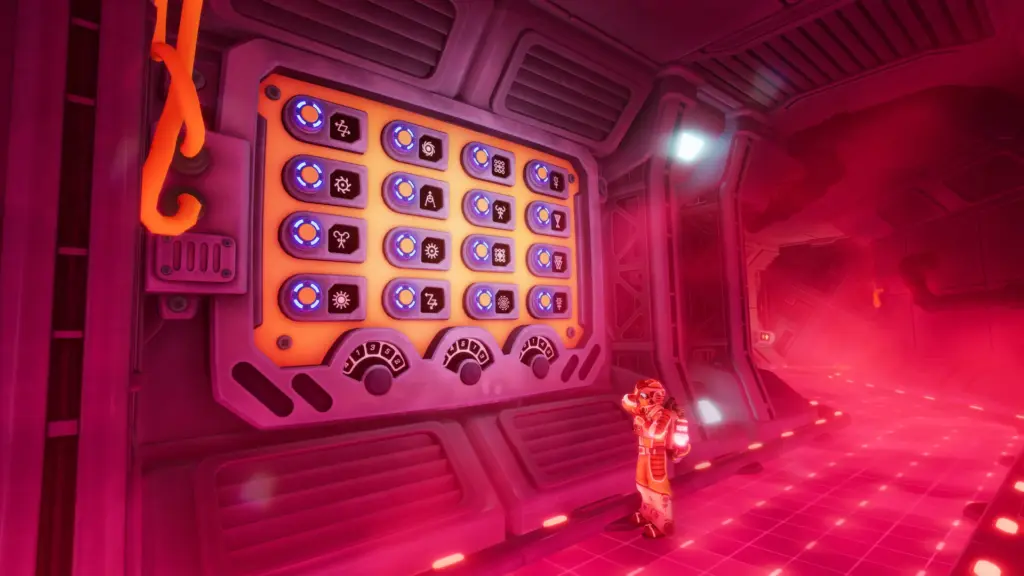
The series is known for separating players into different spaces, and that continues here. One player might be looking at symbols or controls, while the other has the context needed to understand them.
This asymmetry is what gives the puzzles their shape. You are never solving something alone, even if you are physically separated in the game. Everything depends on how well both sides connect the information they have.
New Abilities in We Were Here Tomorrow Change How You Move
One of the main additions this time is the introduction of character abilities. These allow the game to move beyond standing in rooms solving static puzzles and add sections where movement and timing matter more.
It does not replace the puzzle focus, but it adds more options that break up the pacing. You are still thinking through problems, but now you are also dealing with how to physically get through spaces together.
A Familiar Structure With More Flexibility
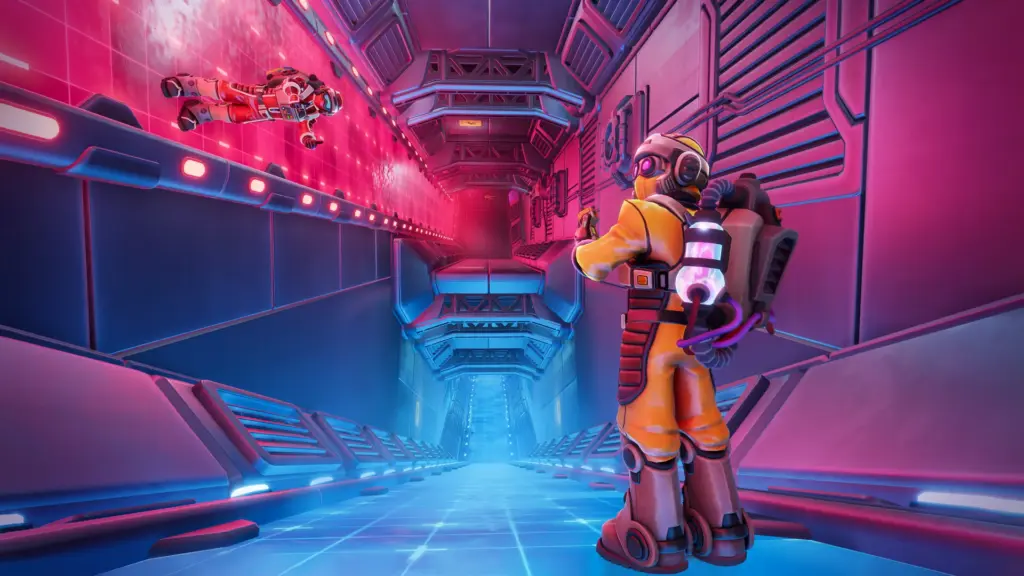
Previous entries in the series often followed a steady pattern of puzzle room after puzzle room. This entry keeps that structure but loosens it slightly by mixing in lighter puzzle segments and traversal moments between larger challenges.
That change makes the experience feel less rigid without losing what defines it. The focus stays on cooperation, but the path between puzzles has more variation.
A Story That Builds Along the Way
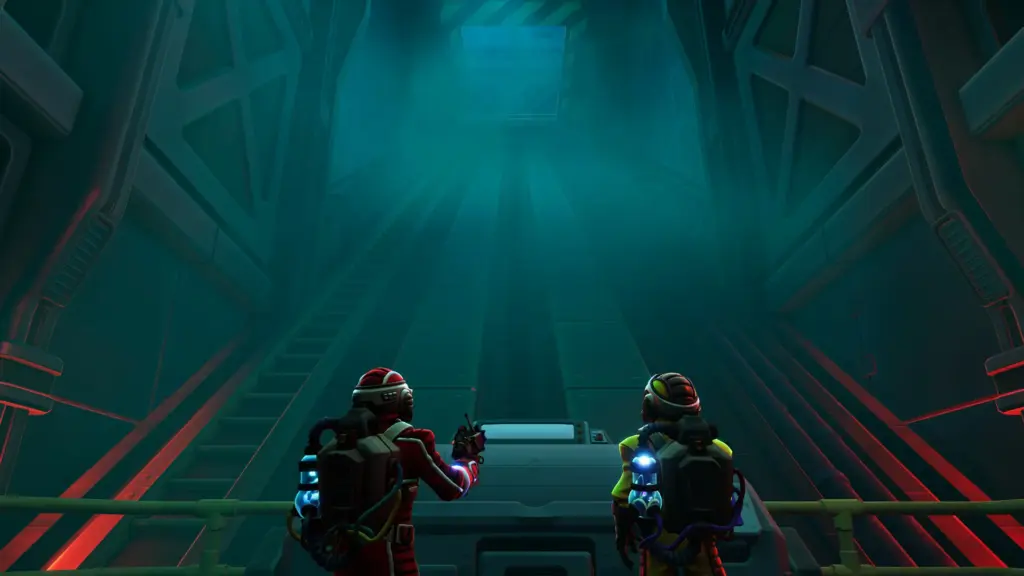
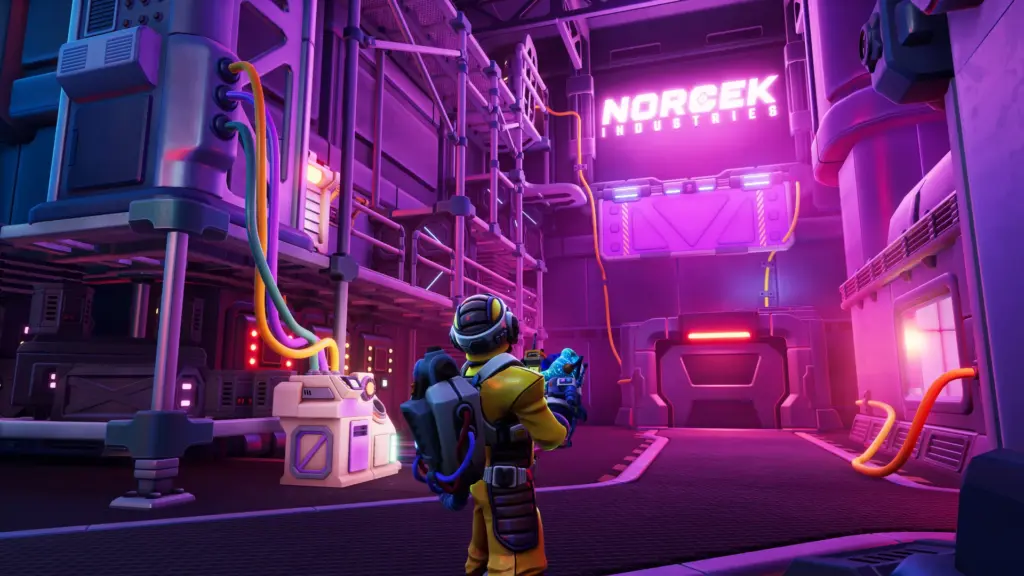
The setup places both players inside a strange facility, guided by a voice that gives instructions while leaving most questions unanswered. As you move forward, the environment and the tasks you are given start to reveal more about why you are there.
The story is not pushed to the front at all times, but it builds gradually as you solve puzzles and move into new areas. It gives context to what you are doing without interrupting the flow.
We Were Here Tomorrow is Designed for Online Co-op From the Start
The game is built specifically for online play. Each player needs their own device, and communication happens through voice, much like using a walkie-talkie.
There is no couch co-op option, which reinforces how the game is meant to be played. You are meant to rely on conversation, not shared visuals, to understand what is happening.
A Series That Keeps Refining Its Core Idea
This is the sixth entry in the series, and the development process reflects that. The team builds on previous ideas, tests them, and adjusts based on what works within the structure they have already established.
The result is something that feels consistent with earlier games while still adding enough changes to keep it from repeating itself.
Seeing We Were Here Tomorrow at PAX East 2026
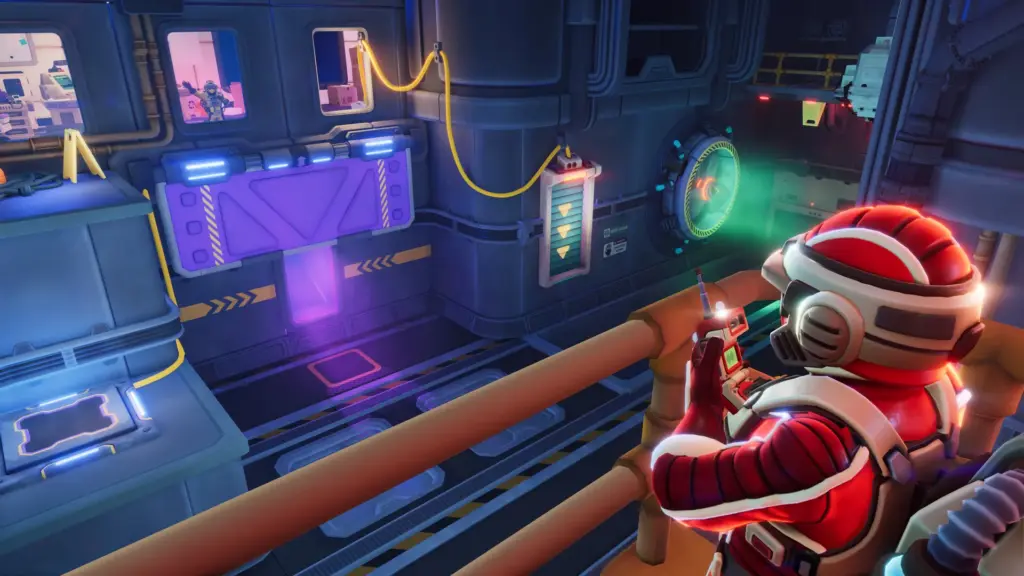
The demo at PAX East gave players a limited time to work through a section of the game, which made the communication aspect stand out even more.
Some groups managed to push through quickly, while others struggled to get through within the time limit, which says a lot about how much the experience depends on how well two people work together.
After seeing it in action, We Were Here Tomorrow stays close to what the series does best. It keeps the focus on cooperation, adds a few new ways to interact with the world, and continues to build on a structure that depends entirely on two people figuring things out together.
Want more Event Articles? Check out the page!

Geek out with us!
I Married a Monster on a Hill (Award-Winning Series)