

Nintendo. The company that convinced you as a kid that a plumber jumping on turtles could save a princess, and as an adult, that shaking a pair of Joy-Cons could simulate milking a cow (seriously, why?). It’s an empire built on the foundation of our collective nostalgia and imagination. But how did Nintendo go from a manufacturer of playing cards to a global gaming phenomenon? Buckle up, nerds; we’re about to go on a pixelated journey through time.
Humble Beginnings: Cards, Cabs, and Love Hotels
Yes, love hotels. Nintendo started in 1889 (no, that’s not a typo) as a playing card company. They even dabbled in taxis and love hotels before realizing their true calling. But let’s fast-forward to the good stuff—like when they decided that electronic gaming was where the gold coins were at. In the late 1970s, they launched their first arcade games. But it wasn’t until a certain Italian plumber came along that things really took off.
Enter Mario: Nintendo Hits Gold
Shigeru Miyamoto, Nintendo’s golden boy, came up with Donkey Kong in 1981, featuring the debut of Jumpman—later known as Mario. Miyamoto went on to create “The Legend of Zelda,” turning pixels into poetry. The gaming world would never be the same.
The Pitfalls: Virtual Boy and Wii U Woes
It wasn’t all warp pipes and triforces. Nintendo had some significant missteps too. Remember the Virtual Boy, that red-tinted migraine machine? Or the Wii U, an identity-crisis console if there ever was one? These were commercial flops, but they showed Nintendo’s willingness to innovate—even if it meant stumbling once in a while.
The Art of Bounce-back: Switch-ing the Game Up
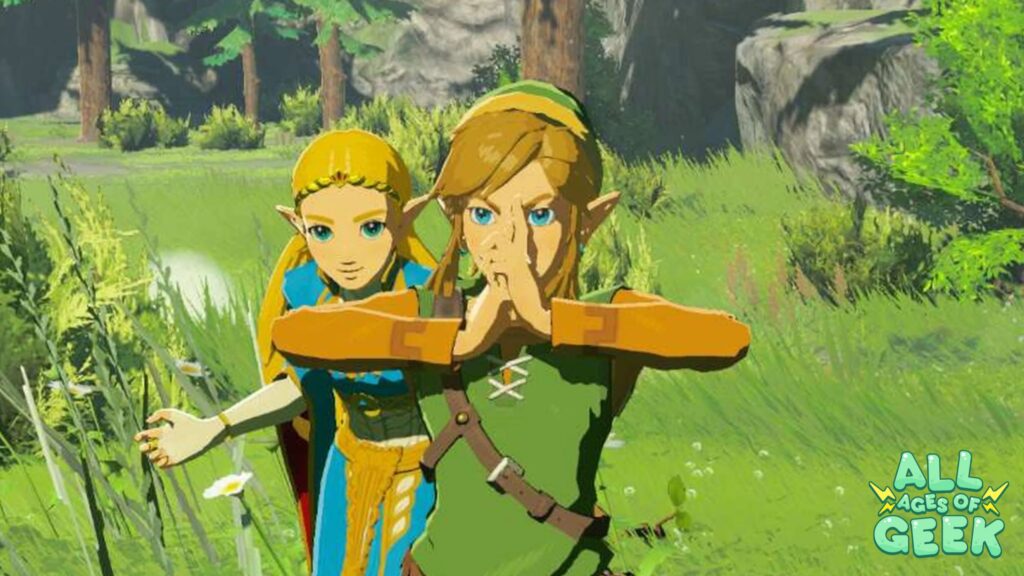
What sets Nintendo apart is its ability to bounce back like Mario on a Goomba. Take the Nintendo Switch, for example. After the dismal sales of the Wii U, Nintendo needed a win. They gambled on a hybrid console that you could dock at home or take on the go, and boy, did it pay off. The Switch has become one of Nintendo’s best-selling consoles, giving us unforgettable experiences like “Breath of the Wild” and “Animal Crossing: New Horizons.”
Leveraging Nostalgia: The Genius of Remakes and Remasters
Nintendo knows we’re suckers for nostalgia. From re-releasing classics like “Super Mario 64” to remastering “The Legend of Zelda: Link’s Awakening,” they have a knack for making old things new again. It’s like they’ve got a DeLorean parked out back.
Business Savvy: Merch, Mobile, and Beyond
Don’t underestimate Nintendo’s business acumen. They’ve diversified into mobile gaming, with hits like “Fire Emblem Heroes” and “Animal Crossing: Pocket Camp,” and cashed in on merchandising like there’s no tomorrow. From amiibos to Nintendo theme parks, they’re expanding their empire in every direction.
The rise, fall, and phoenix-like resurgence of Nintendo, the brand that proves business and fun can go hand in hand. With a history that’s just as colorful as its game library, Nintendo’s legacy is innovation, resilience, and, above all, the power of fun.
For those of you looking for even more awesome articles covering the gamut of geek culture, from “Star Wars” to D&D, make sure to support All Ages of Geek on Patreon. Because every coin counts in the game of geekdom.