
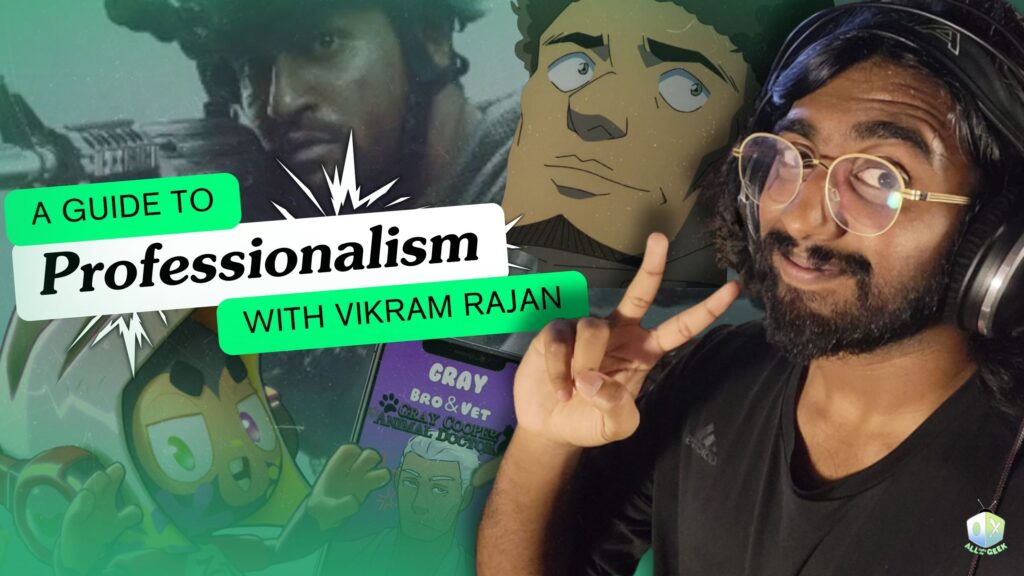

In creative spaces, people often focus on style, originality, and voice. Those matter, but the people who keep getting hired, whether they are voice actors, illustrators, content creators, or indie developers, tend to share another key trait: professionalism. It’s the bridge between raw talent and a long-term, sustainable career.
Professionalism in the arts is not about being stiff or boring. It is about treating creative work as work (as it is): communicating clearly, respecting other people’s time, delivering what you promised, and adjusting when a director, client, or collaborator asks for change. Whether you are recording voice lines, delivering a batch of illustrations, editing a video, or producing sponsored content, these habits build trust.
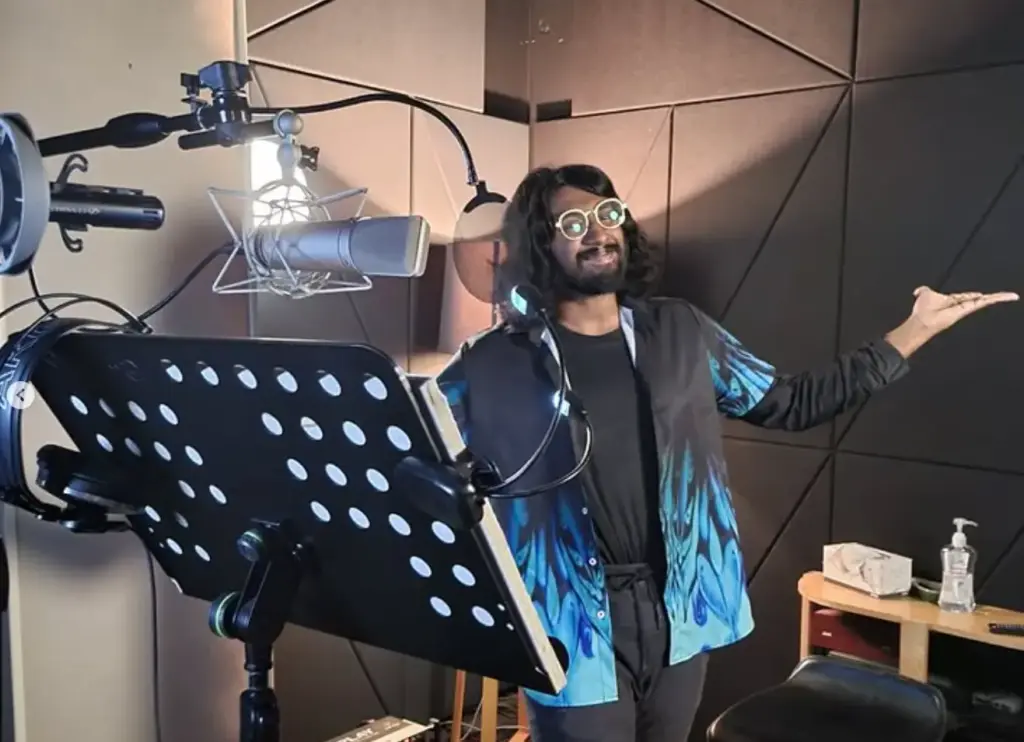
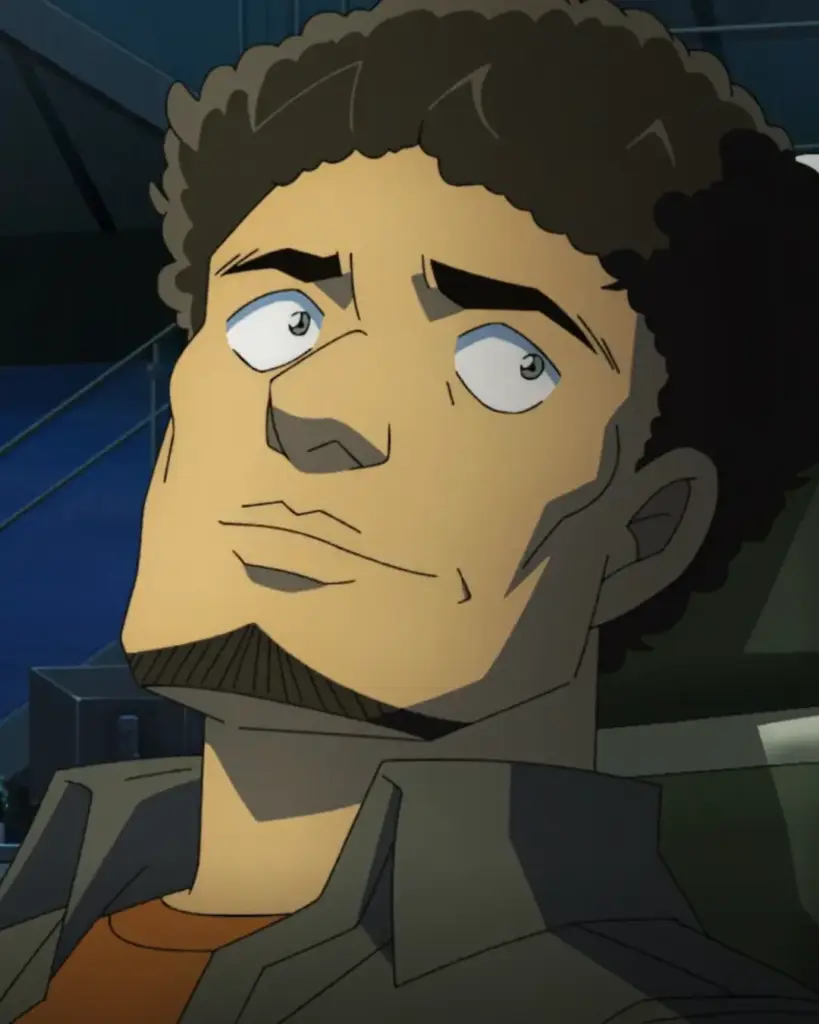
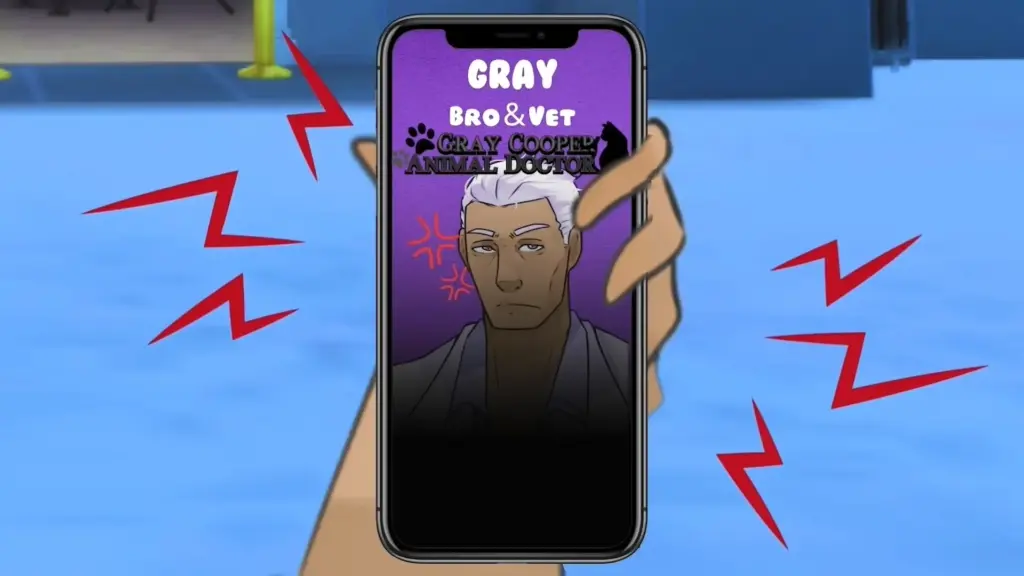
Voice actor and director Vikram Rajan is a strong example of this mindset. In this article you will hear his thoughts about professionalism. His credits include major projects such as Detective Conan: Black Iron Submarine (English voice of Ed), the English dub of Uri: The Surgical Strike as Vihan Shergill, roles in games like Dragon Raja: ReRise, The Drifter (which later received Game of the Year at the 2025 Australian Game Developer Awards), as well as work on TRIO (India’s first anime),and official Webtoon promos. He is also a key cast member in All Ages of Geek’s award-winning series I Married a Monster on a Hill, voicing Gray and several supporting characters in the film Disaster Date Roulette. Across studio work, indie projects, and recurring collaborations, his professionalism is a major reason teams keep bringing him back.
Below is a guide to professionalism in creative work framed by the qualities that Vikram models in his career.
What Professionalism Means for Creatives
For voice actors, visual artists, editors, writers, streamers, and indie teams, professionalism usually shows up in five core ways:
- Communication: You reply, you clarify, and you keep people updated. You don’t leave clients guessing about schedules, questions, or delivery.
- Deadlines: You treat deadlines as commitments, not suggestions. If something changes, you speak up early.
- Feedback: You can hear “I like this, but can you do it like this?” without shutting down. You adjust, you ask follow-up questions, and you try again.
- Professional boundaries: You stay respectful and kind even if the relationship never moves beyond “client and contractor.”
- Format and instructions: You follow specs, file formats,length, style, and platform rules, so your work fits smoothly into the rest of the pipeline.
These habits matter whether you are recording in a home booth, painting a cover, editing a YouTube video, designing a logo, or building an indie game. They signal to others that you understand the bigger picture and that you respect the work of everyone around you.
Communication and Clarity in Creative Work
Good communication is one of the simplest and strongest signs of professionalism. For voice actors, this might mean confirming a session time, asking for character context, or checking if the director wants one long file or separate takes. For a visual artist, it might mean confirming dimensions, color profiles, and revision limits. For a content creator, it might be clarifying brand guidelines and sponsorship talking points.
Vikram’s career spans film, anime, games, promos, and indie projects. Working with companies and teams across regions requires clear communication about schedules, expectations, and technical needs. Clear communication keeps those parts aligned.
For creatives of any kind, helpful communication looks like:
- Answering emails and messages within a reasonable time
- Confirming important details instead of guessing
- Asking focused questions when something is unclear
- Being honest and calm if an issue arises
Question for Vikram Rajan:

As a director and actor, how would you define professional conduct in the creative field, and why does it matter for long-term career growth?
“I would define professional conduct in the field by talking about 2 vital categories – Reliability and Humility. The reason why I emphasize those 2 things the most is because, as you mentioned before, it will benefit not only yourself but everyone you work with and that will be incredibly valuable for long term growth in your career. If you are reliable by being punctual to your sessions, taking direction and are just a pleasant person to work with regardless of whatever the project may be, you will set yourself up for success with that alone. You must also look at your career as a business and definitely treat it as such and if you want you and your business to succeed you must prove that you are incredibly viable by being a great person to work with. In this industry, word does go around more often than one thinks and if you are mentioned by name in a good way then it will pay dividends indefinitely. And on my second point, if you are humble and grateful for the work you do and the work you will get to do in the future, it’s a solid mindset to stay excited and eager in this field and also being open to improve down the line. In my experience, I cannot tell you how many amazing opportunities I have been able to achieve from all the way at the bottom of the planet in New Zealand from solely being a reliable and good person to work and collaborate with. And from my humble beginnings with that mindset, I’ve continued to work on bigger, distinguished and award winning projects all across the world including very popular anime such as Detective Conan, video games such as The Drifter, Honor Of Kings, Punishing Gray Raven (to name a few) and films such as TINA, Disaster Date Roulette and the English Dub of Uri: The Surgical Strike. Nothing is ever impossible or out of reach, as long as you continue to be a good person whilst being open to hone your craft and improve you will get to accomplish a lot in your career.”
Taking Deadlines Seriously
In collaborative work, your deadline is rarely just about you. A late delivery can slow down editors, mixers, designers, marketers, and festival submissions. For a voice actor, a missed deadline might delay sound design. For an illustrator, a late key visual might push back a trailer. For a content creator, a late sponsored video can disrupt a campaign.
For all creatives, taking deadlines seriously means:
- Only accepting dates you can realistically meet
- Scheduling your work time instead of leaving everything for the last minute
- Notifying the client early if something might affect delivery
- Treating “by this date” as a promise you intend to keep
Question for Vikram Rajan:


How should creatives communicate with clients, directors, and teammates to remain clear, respectful, and organized?
“In my opinion, creatives of all kind should be communicating with each other with 100% transparency no matter what decisions are being made. As a Professional Voice Actor and Director, you will run into working with and making many schedules and of course while it’s in everyone’s best interest to stick to said schedule that is given to you, it is also very imperative on both sides from the voice actor and director to be comfortable and honest with each other to speak up and communicate whether something is clashing. No one is perfect and that of course also applies to schedules too and if something clashes such as a medical appointment, a family emergency or whatever it may be – please do not be afraid to communicate that with either person on each side. No one should ever neglect their health, both physical and mental, to do a job. And in my case (from the director’s point of view), if I get notified that an actor will be late to a session or can’t make it for whatever reason I think that shows a lot of mutual respect for keeping me looped in and in the know and I will always 100% of the time be willing to accomodate and reschedule. As long as everyone working on the project is comfortable, happy and healthy then that makes me very happy in turn. But overall, keep communication 100% clear with all parties involved. It’s always better to keep everyone informed than having everyone involved play the potentially stressful situation by ear. I promise that if you ever speak up on wanting to have something rescheduled, both as a voice actor or director – at least 9 times out of 10 it will always be seen and noted as a respectful and dignified move that does not go unnoticed. We all have situations and compulsory events we go through in life and that is something everybody can understand. As long as you’re honest about that then everything will be fine.”
Accepting and Applying Feedback
Every creative field involves feedback. A director may want a line delivered with less intensity. An art director may request a different pose or color palette. A sponsor may ask for a slightly different tone in a video. Sometimes the note is clear and you agree with it; other times you might not.
Professionalism means you are able to:
- Listen to the feedback fully before responding
- Ask for clarification if the note is vague
- Try one or more new versions based on the feedback
- Discuss disagreements calmly, without turning the conversation into a fight
For artists, voice actors, streamers, writers, and other indie creators, this same approach helps build reputation. Clients remember who can adjust gracefully, even when the requested change is not their favorite choice creatively.
Question for Vikram Rajan:
How should a creative professional accept, discuss, and apply feedback, even when they do not fully agree with it?
“In this industry, the best way we improve as artists is through honest and critical feedback. Staying stagnant in an ever evolving and changing industry is very risky and also very dangerous for growth in your career so in my opinion, getting professional opinion from reputable people in the industry with many years of experience will ultimately be for your own benefit. And at the end of the day, you yourself should want to be the best you can be at your job/work. In terms of taking in feedback you might not agree with, it really does depend on what’s being said. If it’s something blatantly disrespectful and rude that’s outside your industry and is reaching personal territory (which normally is never the case from industry professionals) then that’s out of order and you should not listen to that for your own health. But if it’s feedback or constructive criticism that is based in the industry that might sound harsh and maybe not what you wanted to hear, it’s definitely for your own benefit to take in their advice, apply it in your work and grow. It’s a fact that you won’t truly improve by doing the same thing over and over again so taking in the advice is best for you. As actors, we are inherently emotionally tied to the work we do and while there’s nothing wrong with that at all – it should be noted that it can go too far and you should do your best to balance how you feel. Reason I say this is because in this industry, ego can be a very dangerous thing and should not teeter or go over the line of blatant arrogance. But there’s also the positive sides of ego, mainly in the sense of self-esteem and general happiness. Of course, the same applies in the sense that you do not want to overdo that too but I mention this because it’s very common for creatives in any of their industries to tie their own self-value to their work and while it’s amazing to be crazy passionate about what you love, it is also very detrimental to tie your worth to an industry that is based on many factors outside your control so if you’re able to find your way of staying content and positive then everything will be okay. It’s definitely easier said than done and it personally took me a few years to manage that but find peace knowing that everyone goes what you go through and feels what you feel a lot of the time so you’ll never truly be alone and you can always help each other lift your spirits and aim higher. But back to my main point, whenever you’re taking classes, getting coached or receiving advice/feedback/criticism – never listen to what’s being said from a place of arrogant ego but instead listen from a beginners mindset. Don’t feel that you need to be the very best because truthfully no one is and you do not want to put yourself at impossible expectations, it just won’t be good for you as it leads to entitlement which is an unbearable trait in this industry that no one likes to see. My best advice is to remember that you were a person before you entered the industry and you’re still a person now so treat everyone as a person and not a stepping stone to further your career – that’s where humility and humbleness is needed. Try your best to remember what you enjoy that’s outside your work and while I know with how the grind mentality is very common in our industry, just be sure to find time for yourself and take breaks and not burnout the best you can.”
Professional Relationships vs. Friendship
Creative work can be warm and personal. People share emotional performances, late-night planning calls, or long recording sessions, and naturally, some deep friendships grow from that. Other times, the collaboration remains polite and strictly professional.
Both situations are valid.
Professionalism means:
- You do not assume every client or director will become a close friend
- You respect boundaries, especially on projects with larger teams
- You remain courteous, even when interactions are brief and business-like
Vikram’s experience ranges from recurring collaborations, like his ongoing work with All Ages of Geek on I Married a Monster on a Hill, to one-off looping jobs and promos. In each case, he keeps the focus on doing the work well, respecting the team, and leaving a good impression, whether or not a more personal relationship develops.
For visual artists, editors, streamers, and indie creators, this is equally important. Not every project will feel like a creative family. Some clients simply need your skill, professionalism, and respect; that alone is valuable.
Question for Vikram Rajan:
In your view, why do studios and clients often choose a dependable, well-organized artist over someone who is highly talented but inconsistent, especially in collaborative work like films and voice acting?
“I think the reason why dependable and organized talent is often considered and chosen for roles is because it’s ultimately at the best interest for the clients and studios for the talent that’s onboarded to be the most reliable to keep the projects and productions well-oiled machine running smoothly as possible. For voice acting and films it’s very common for actors who get cast in those projects to have a list of past productions/credits from previous works and over time that list will show future clients that you have been trusted as a voice actor many times to bring these projects to life, which will in turn inspire those clients hiring you that you will do the same for them and that they believe in you that you will do a great job. In my experience, just as an example – I’ve been in the VO industry for 8 years, mainly remotely from New Zealand but also with the occasional in-studio project within NZ too. Each job you get to do should never be for granted because a lot of trust goes into you as a performer and the more you end up doing, a lot more people will notice. That’s how I was able to be cast for my role as the English Voice of Ed in the very popular and critically acclaimed feature film – Detective Conan: Black Iron Submarine. Detective Conan is a long running and very popular and treasured anime series amongst many viewers and fans across the world and being able to be trusted highly enough with a starring role in that film is something I myself will always treasure and ever since I got cast, I’ve been able to do more bigger opportunities to perform for more projects. The same even happened when I got to voice a lead role as Zee Jay in Bloons Card Storm and it was special to me as the Bloons franchise is something I personally grew up playing as a kid so being able to voice in it all those years later still means the world to me now and the many passionate fans of that game and franchise continue to enjoy it to this day is a very special thing for me. When I got to voice the lead role in the english dub of one of India’s iconic and award winning films – Uri: The Surgical Strike. I voiced Major Vihan Shergill in the English Dub of that film and it was amazing to see and hear how many people of my ethnicity love and treasure that film, and that also includes my family. Being able to perform iconic roles like those to name a few, truly showed me that hard work does pay off and each and every role I’m able to perform now and in the future still carries on the work I’ve been able to put in but this time, with more clients, studios, directors and many distinguished and noteworthy people believing in me strongly to do a good job for them and it’s been very common for me nowadays and I can’t wait to talk about what’s in store in the future when those projects release. It also means more to me because I didn’t enter into this industry with any connections whatsoever and was doing the work in a country far away from any VO hubs, which looking back is something I find myself being very impressed with myself for doing and I’m eternally grateful. So each and every opportunity I get given is something I’ll always treasure and over the years, I’ve been able to do bigger and better and I’m hoping and am positive that streak will continue for more years to come.”
Listening to Format and Technical Directions
A professional creative understands that format and technical details are part of the job, not extra chores.
For voice actors, this might include:
- Delivering audio in the requested format
- Following file naming rules
- Providing the exact number of takes requested
- Avoiding processing when clean audio is required
For artists, it might be:
- Using the correct resolution and color mode
- Providing files in the formats the client requested (for example, layered source files vs. flat exports, when requested)
- Respecting margins, safe zones, and print or web specs
For content creators and indie teams, it can mean:
- Respecting platform rules for length, aspect ratio, and audio levels
- Including or excluding sponsor tags as requested
- Delivering assets organized the way the client asked
For creatives in any field, this level of care communicates that you are not only imaginative but also dependable in the practical sense.
Question for Vikram Rajan:
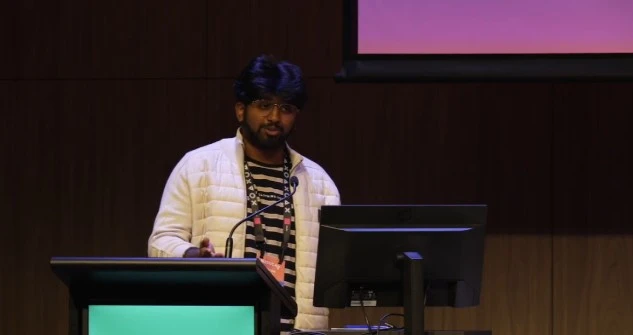
As a director and actor, what qualities tell you that a creative is ready to work on a global stage and collaborate smoothly with international teams and productions?
“That’s a great question! I think the main qualities that tell me that someone is ready to take on projects with a lot of scale with distinguished productions backing everyone along the way is that the person is humble. kind, reliable and open to direction. I believe those are the main qualities I find myself believing that leads to more trust forming to make those decisions. Every voice actor is always working hard and trying their best to “break in” the industry. It’s very non-linear, especially if you’re coming from a remote background as you just won’t get the same chances that local talent in the big hubs will so a lot of the time it will definitely take longer to truly make that breakthrough of new ground. Regardless though, everyone works hard to hone their craft and improve to ensure they feel like they’re on a good level to audition and in a way, compete for those roles by doing and bringing their absolute best. I will say though, while having a decent list of past projects and productions that you’ve worked on be out in the open definitely helps a lot, I think it’s more important that the right person will get cast for the role based on their merit and what they bring to the audition more than anything. It can be a long and even difficult road ahead, I can only speak on my experience but it took me a long time to feel like I was able have some strong footing within the industry. As someone who is currently a remote talent, it’s even harder nowadays to prove and show that you have what it takes to compete with your friends and colleagues in hubs and luckily for my case, my hard work paid off incredibly well and is still going strong and I do truly believe that anyone can succeed in the same way, given they work extremely hard for it. Raw talent can only get you far enough, but hard work and consistency will beat that any day of the week. The way to do that is to be open to learning more, drop any and all ego and listen and be a pleasant person to interact with and work with. If you’re able to do that you will succeed and that also shows me that you are ready and your time will come someday so long as you keep on working hard towards your career goals both in short term and long term. The same also goes for international teams and productions because most likely, with many of talent (especially newer ones) that they onboard for projects they will definitely take a look at your past and history in this industry and if it proves well alongside an absolute banger of an audition – you’re in there and the fun sessions can begin!”
Why Professionalism Keeps You Working
Another key part is how you present yourself. Creatives who understand their own branding, through a clear website, consistent logo, up-to-date portfolio, and strong demo or reel, are easier for non-creative clients to understand and trust. A lawyer who needs a VO for a commercial, or a firm that needs illustrations for a campaign, may not know the technical side of your craft, but they will recognize a professional online presence. When your branding is organized and confident, you look like someone who can handle their project with the same level of care.
Professionals like Vikram Rajan benefit from this combination of steady conduct and clear presentation, but the principle applies to any creative. Talent gets people interested; professionalism and good branding make them comfortable hiring you again, recommending you to others, and trusting you with higher-level work.

Geek out with us!
- Newsletter
- Patreon
- Socials
- I Married a Monster on a Hill (Award-Winning Series)