
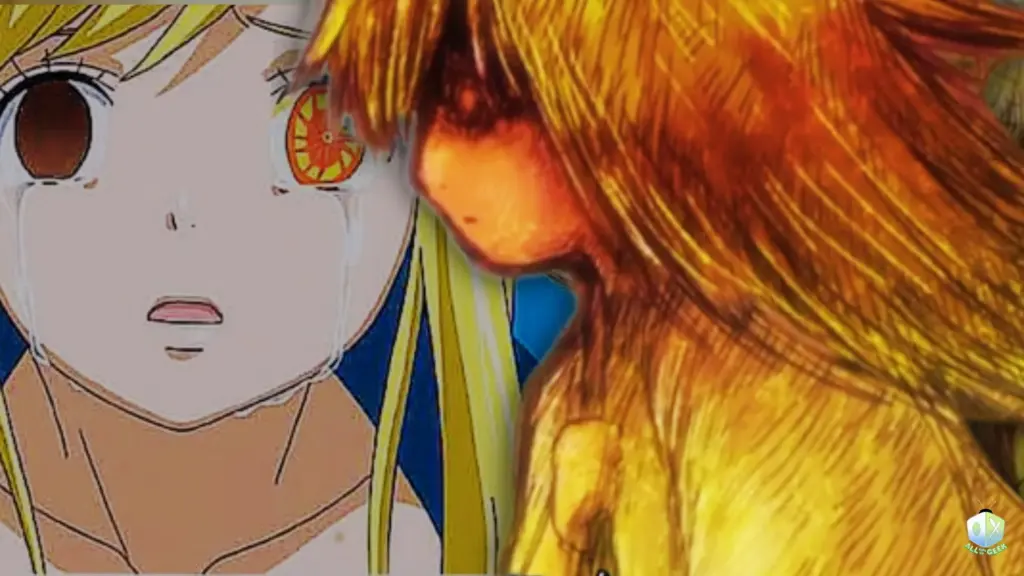

The Key of the Starry Sky Arc is one of those Fairy Tail arcs that quietly does a lot of heavy lifting. Because it’s labeled as “filler,” it often gets brushed aside, but emotionally? It hits harder than many mainline arcs. This story slows things down and lets the characters feel like people again, especially Lucy.
Instead of focusing on raw power or world-ending stakes, this arc focuses on loss, separation, healing, and how bonds change when time passes. It’s a deeply personal chapter in Fairy Tail’s story, even if it doesn’t look like one on the surface.
Watch Our Fairy Tail Reactions on Patreon
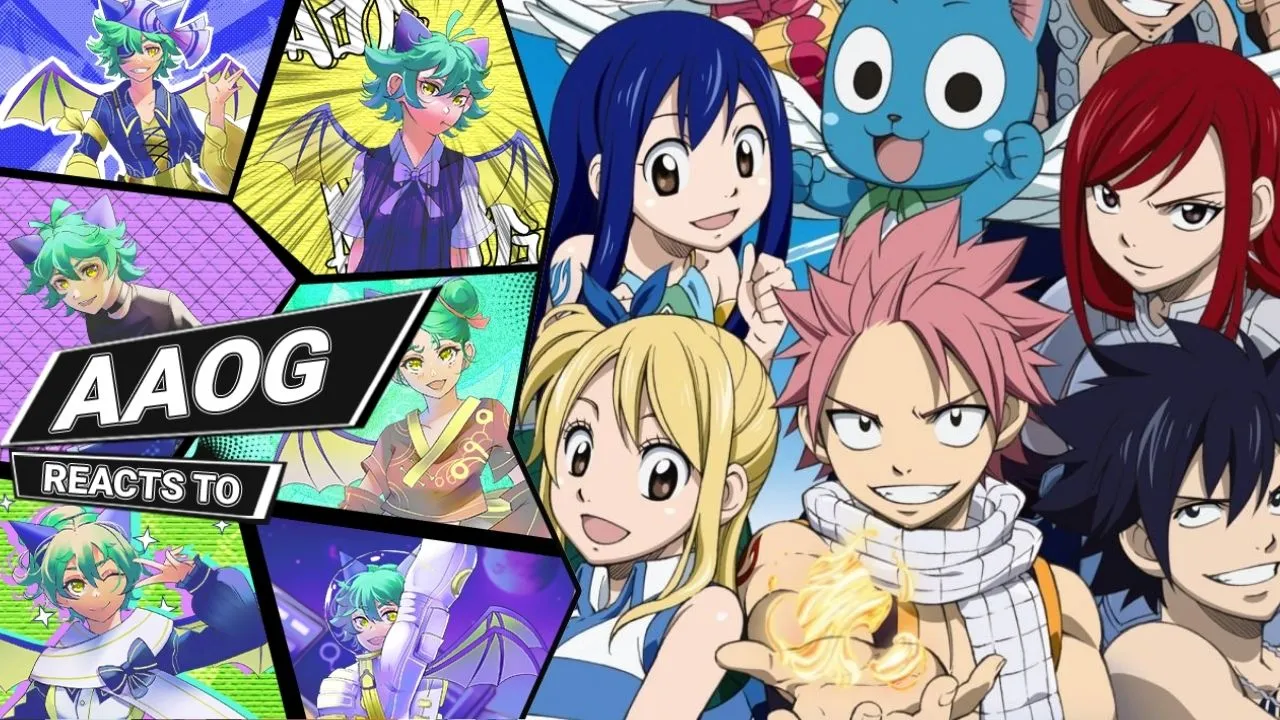
Lucy’s Grief Finally Gets Space in Key of the Starry Sky Arc
Lucy has always carried loss quietly. Her mother passed away early. Her father was distant, then gone. And after Tenrou Island, she lost her guild for seven long years. The Key of the Starry Sky Arc finally gives her room to process all of that.
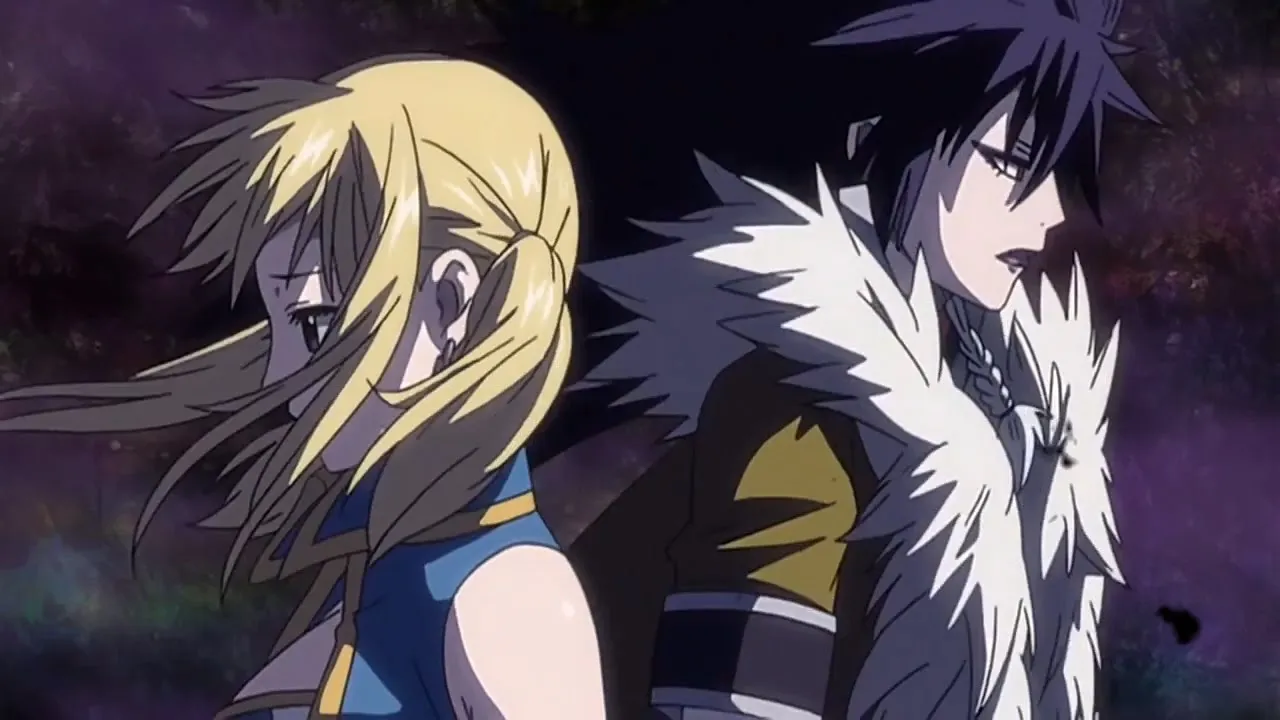
This arc isn’t just about Lucy missing her dad. It’s about her realizing what he meant to her too late. Regret mixed with love, as she’s wishing she had more time. That’s a feeling a lot of people understand, and Fairy Tail handles it gently here.
Lucy isn’t breaking down every episode. She’s reflective. She’s softer. You can tell she’s holding memories differently now. She’s no longer angry with her father. She’s grateful for him. That shift alone makes this arc matter.
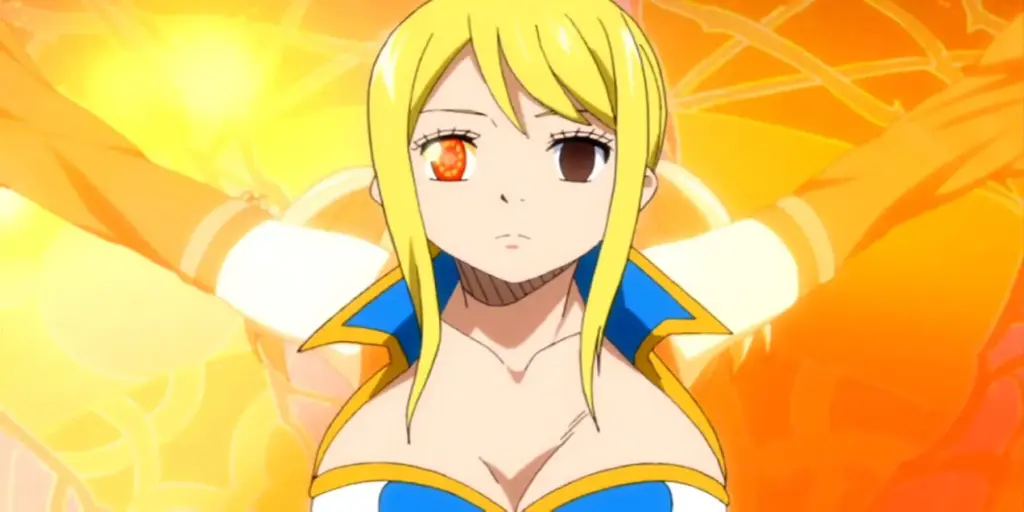
Michelle and the Reflection of Lucy’s Heart
Michelle being a doll is more than a fantasy gimmick. She represents vulnerability and innocence. All and all she is Lucy’s desire to protect something fragile.
Through Michelle, we see Lucy in a nurturing role. Not as a fighter. Not as a celestial wizard. But as someone who wants to shield another being from harm and loneliness. It mirrors how Lucy wishes someone had protected her emotional world when she was younger.
Michelle becomes a way for Lucy to work through her own grief without saying it out loud.
Fairy Tail Feels Like a Guild Again in Key of the Starry Sky Arc
So many arcs focus on the same handful of characters. This one doesn’t.
Seeing:
- Gildarts
- Cana
- Macao
- Wakaba
- Kinana
- Romeo
- Laki
- Max
And the whole gang, all present and contributing makes Fairy Tail feel alive. It feels like a real place with history and relationships.
This arc understands that Fairy Tail isn’t special because of power. It’s special because of its people.
NaLu Grows Without Needing Romance
The Natsu and Lucy dynamic in this arc is subtle and strong. Natsu isn’t charging ahead blindly. He watches Lucy, senses when she’s not okay. He lets her lead emotionally, even when he doesn’t fully understand what she’s going through.
He’s not being heroic for the sake of battle. He’s being protective because he cares. That’s growth.
It shows Natsu as someone whose choices are shaped by emotional bonds, not just instinct or strength.
The Oracion Seis Become Human
This arc gives the Oracion Seis depth without excusing their past.
Cobra and Kinana’s story is the emotional core here. The reveal that Kinana is Cubellios adds layers to both characters. Cobra stops being just dangerous and becomes tragic. His love isn’t loud. It’s quiet and wounded.
It shows that villains don’t disappear when their story arc ends. They keep living, hurting, changing.
Gray vs. Angel: A Brutal Wake-Up Call
The fight between Gray and Angel is one of the most underrated moments in the Key of the Starry Sky Arc. It isn’t just a battle of magic, it’s a clash of mindset. Angel represents someone who treats death, power, and suffering like toys. She wants to be an “angel,” to disappear, to escape responsibility, without understanding how destructive and selfish that desire really is.
Angel is still trapped in a spoiled worldview. She sees power as something that validates her pain instead of something that carries consequences. To die beautifully, a tragedy without responsibility. She doesn’t see the damage she causes to herself or others because her ego keeps telling her she’s special enough to be above it.
Gray becomes the perfect counter to that. He doesn’t romanticize pain, he lives with it. Carrying loss, survivor’s guilt, and responsibility every day, his strength comes from continuing forward, not from wishing himself away.
Their clash highlights something important:
Angel wants to stop existing. Gray chooses to keep living even when it hurts.
That contrast makes their fight emotionally heavy. Gray isn’t just overpowering her magic, he’s rejecting her entire worldview. He stands as proof that survival itself is strength, and that power used without accountability becomes ugly and dangerous.
Angel is blinded by ego. She mistakes self-destruction for freedom and cruelty for beauty. Gray exposes how hollow that thinking is by simply refusing to break.
This moment ties perfectly into the arc’s overall theme: grief isn’t something you escape through fantasy. You face it, grow through it and live anyway.
Zentopia Feels Thoughtfully Built
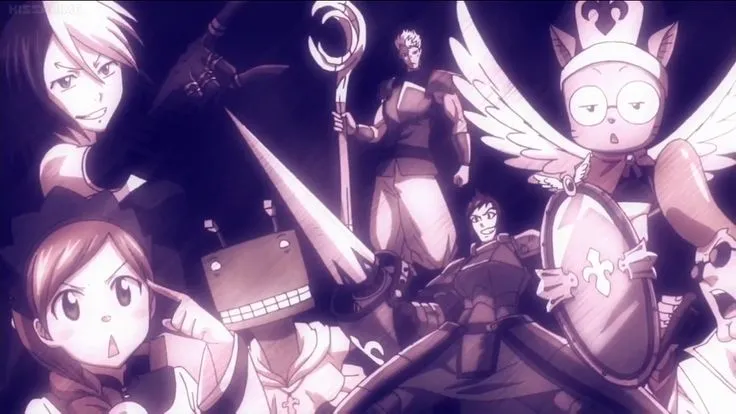
Zentopia is surprisingly grounded.
It doesn’t dump lore. It shows structure. Belief systems. Authority. Control. Faith.
It expands the Fairy Tail world without overwhelming it. You get the sense that magic isn’t just wild power. It’s tied to ideology, control, and responsibility.
That makes the setting feel real.
The Filler Characters Actually Matter in Key of the Starry Sky Arc
Dan Straight and Samuel feel purposeful. They aren’t just plot tools. They represent loyalty, sacrifice, and conflict of belief.
The Edolas counterparts give continuity to the Fairy Tail multiverse without making it confusing. They remind us that this world is layered and interconnected.
Even the Absurd Fits the Tone
Yes, the Butt Jiggle Gang is weird. But Fairy Tail has always balanced emotion with chaos.
This arc is heavy. It needs moments of release. Their ridiculousness becomes a pressure valve. It reminds you this is still Fairy Tail. Still playful. Still strange.
Why Key of the Starry Sky Arc Deserves Respect


The Key of the Starry Sky Arc is about something simple and powerful. What happens after the adventure ends?
How do people live with:
- Loss
- Distance
- Change
- Memory
Lucy grows here more emotionally than she does in many major arcs. She becomes more aware of love as something lasting, even after death or separation.
This arc isn’t loud. It doesn’t try to impress. It just tells a human story inside a fantasy world.
And that’s why it stays with you.

Geek out with us!
- Newsletter
- Patreon
- Socials
- I Married a Monster on a Hill (Award-Winning Series)