


Cooking Simulator 2: Better Together showed up at PAX East 2026 with a clear shift in how the game wants you to play. The first game kept you focused on your own station, working through recipes and mechanics alone, while this one opens the door and lets other people into the kitchen with you, which immediately changes how everything feels moment to moment.
We spoke with Big Cheese Studio during the event to get a better sense of how that shift affects the way the game is structured, and how they approached building something that can handle both careful cooking and complete culinary craziness at the same time.
Cooking With Other People Changes the Entire Rhythm
The move to multiplayer is the biggest change, and it touches nearly every part of the experience. Up to four players can share the same kitchen, and while the game suggests roles like cook and manager, it never forces anyone into a fixed position.
One player might stay focused on prep work, cutting ingredients and managing timing at the stove, while another handles the dining area, delivering plates and keeping guests satisfied. That setup works when everyone stays organized, but it only takes one mistake for things to start slipping. A missed order or a burned dish spreads quickly when multiple people are involved, and that tension becomes part of the experience instead of something the game tries to smooth out.
Running the Restaurant Means Watching Everything at Once
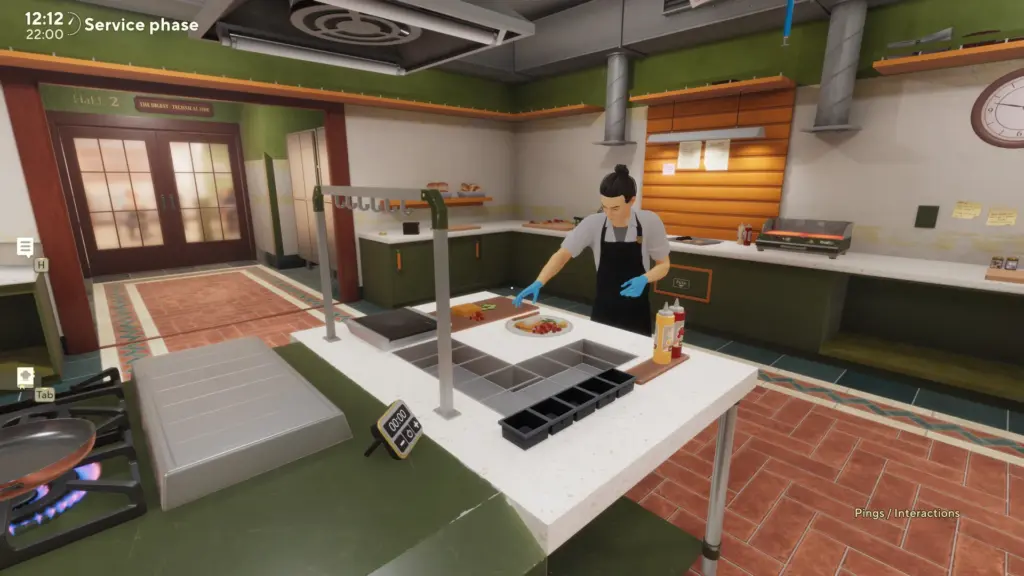
The team explained that the second game expands beyond plating and serving, putting the entire restaurant under your control. You are responsible for stocking ingredients, preparing items ahead of time, and keeping the kitchen in a state where you can actually function during service. Guests come in with different expectations, and meeting those expectations depends on how well you manage both the food and the space around it.
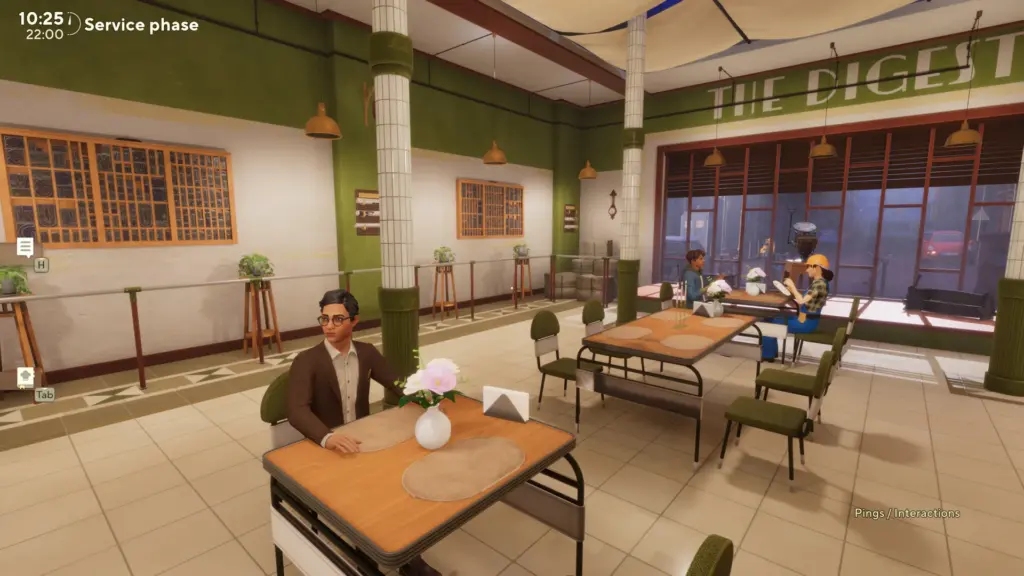
The result feels less like a series of isolated tasks and more like a continuous flow where small mistakes build into larger problems if you are not paying attention.
The Cooking Process Still Requires Care
Even with more going on, the actual cooking remains hands-on. You still gather ingredients, prepare them step by step, and assemble dishes in a way that reflects how you handle each stage.
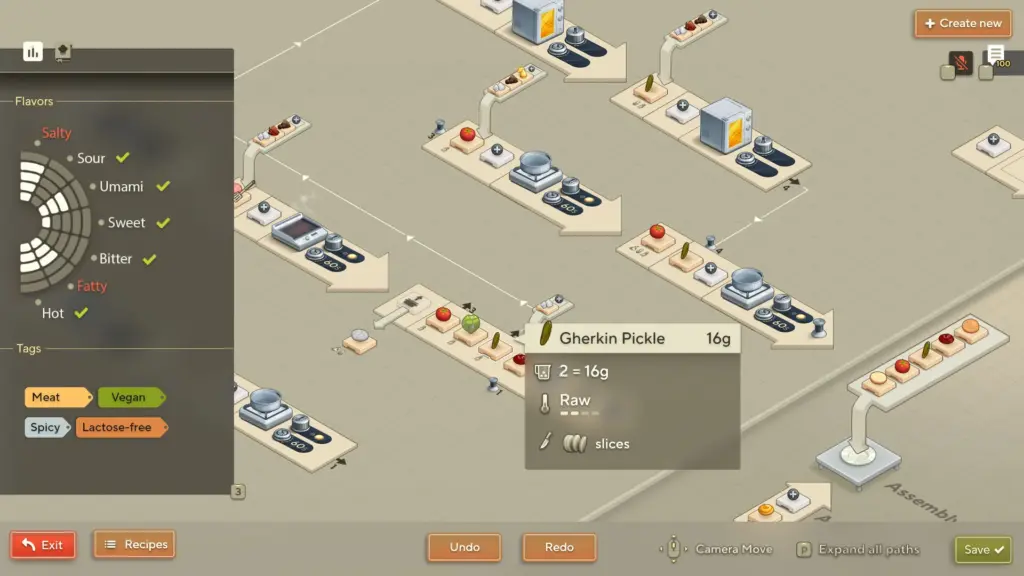
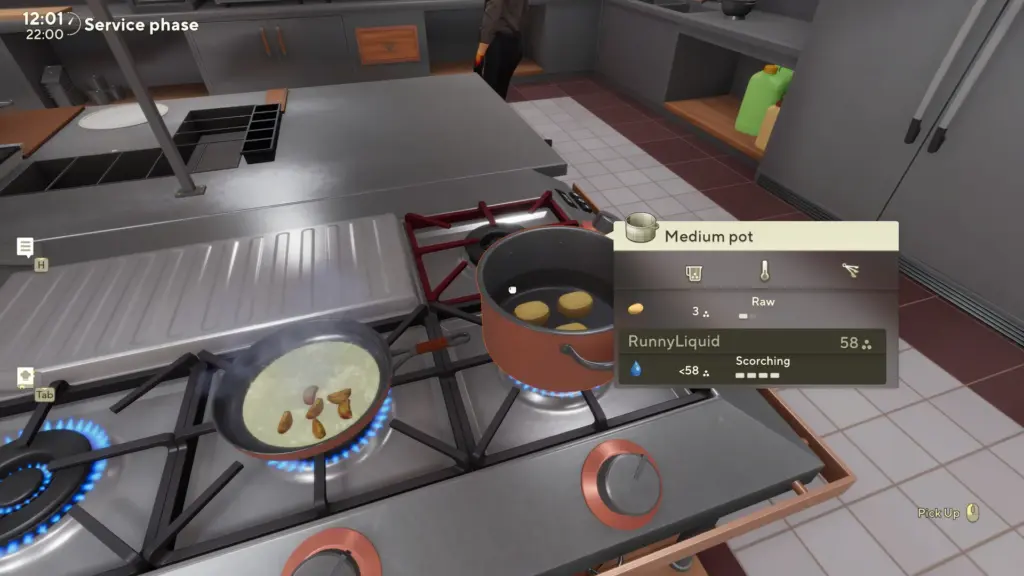
The difference comes from how those actions connect. As you progress, skills allow you to repeat tasks more efficiently, which helps reduce the slower parts of preparation without removing them entirely. Mistakes are still possible at every stage, and the game does not step in to correct them for you.

Recipe Creation Shapes How You Play
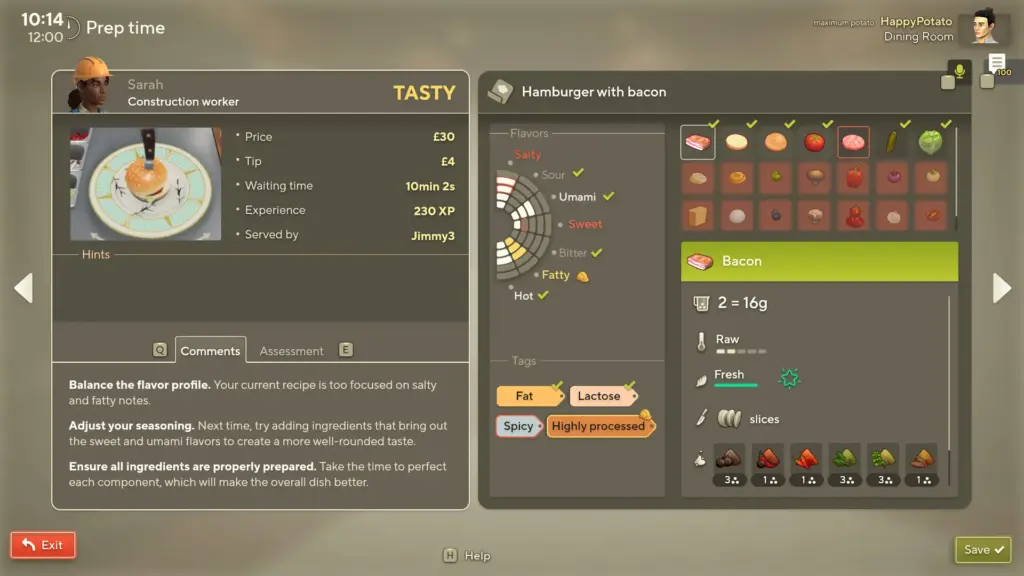
The blueprint system allows you to adjust existing recipes or build your own, and it plays a larger role than it might seem at first glance. Guests respond to what you serve them, and their preferences can push you to change how a dish is prepared. Adding more spice or adjusting flavors is not just cosmetic, but directly affects how much you earn and how quickly you progress.
Progression in Cooking Simulator 2: Better Together Comes From Consistent Work
New ingredients, tools, and recipes become available as you complete tasks, many of which encourage you to try different approaches instead of repeating the same dish. There are separate skill trees for cooking and management, along with perks that adjust how quickly you can work or how efficiently you handle resources. This structure supports steady improvement without forcing you into repetitive loops that feel disconnected from the rest of the game.
Space to Relax or Let Things Fall Apart
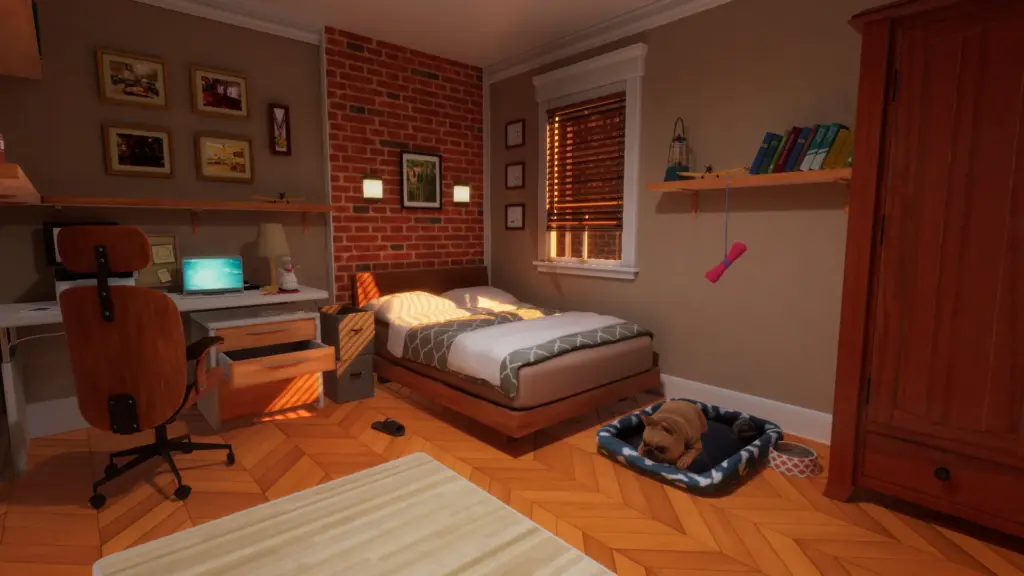
Not every part of the game is tied to structured progression. There is room to step away from the pressure of running a full service and experiment freely in a personal space.
At the same time, the systems allow for the opposite approach. Equipment can break, dishes can burn, and the kitchen can quickly become difficult to manage if things go wrong. The game responds to that without resetting everything, which means you deal with the results instead of starting over.
Communication Becomes Part of the Gameplay
Playing with others adds another part of the game that has nothing to do with mechanics alone. Voice chat, pings, and emotes give players ways to coordinate, but they also highlight how easily communication can break down when things get busy.
A well-coordinated group can keep service moving smoothly, while a disorganized one can struggle to keep up even with simple orders. That contrast depends entirely on how players interact, which gives each session a different tone.
A Conversation Grounded in How People Actually Play Cooking Simulator 2: Better Together
During the interview, the team spoke in a way that reflected how people tend to approach games like this in practice. Some players want to focus on precision and improve their skills over time, while others prefer to experiment and see what happens without worrying about the outcome.
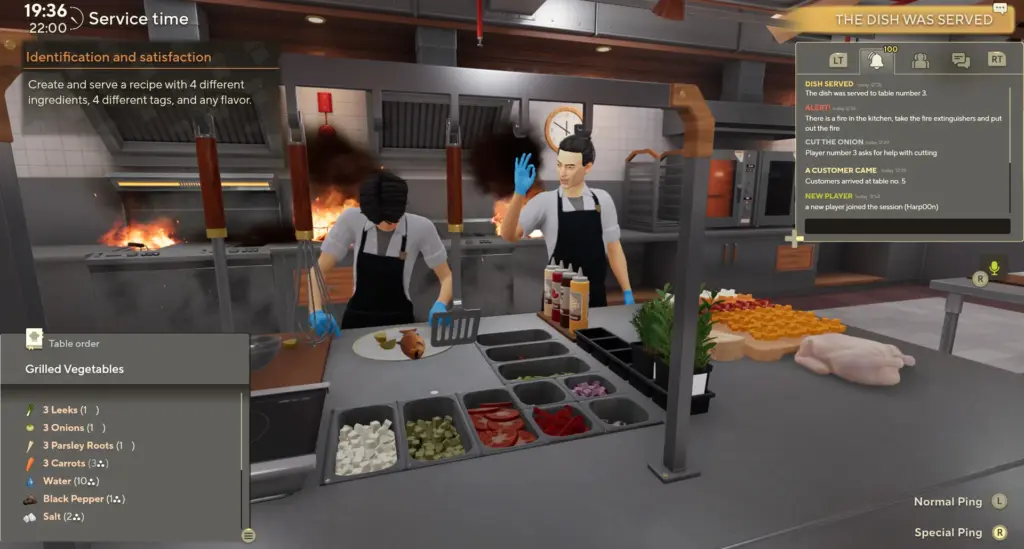
Cooking Simulator 2: Better Together leaves room for both approaches without forcing one over the other. The systems support careful play, but they also allow for mistakes, improvisation, and moments where everything goes off track.
After seeing it at PAX East 2026, the direction feels clear. The game builds on what worked before while shifting the focus toward shared play, where the outcome depends as much on the people in the kitchen as it does on the mechanics themselves. Check out Cooking Simulator 2: Better Together here on Steam!
Want more Indie Game Articles? Check out the page!

Geek out with us!
I Married a Monster on a Hill (Award-Winning Series)