
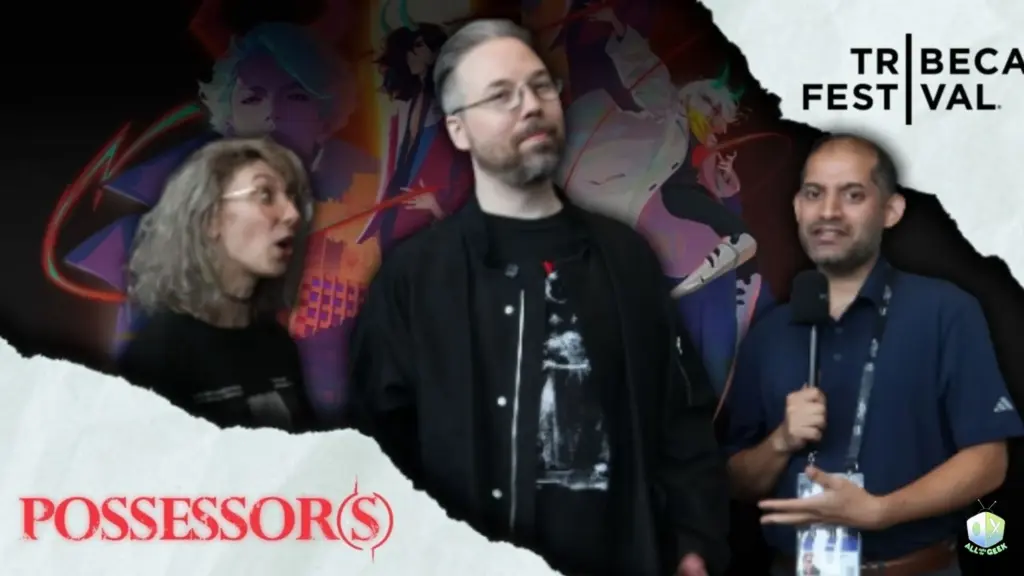

Possessor(s) Game drops you into a drowned city where danger isn’t just lurking in the shadows, it’s stitched into the environment itself. Broken structures and strange enemies all serve as reminders that this place is no longer stable. Survival here isn’t about brute force alone. It’s about control, movement, and learning to share space with someone who doesn’t always agree with you.
At the center of Possessor(s) Game are Luca and Rehm. Two minds, one body, and a city that doesn’t care how complicated that makes things.
Possessor(s) Game and Its Flooded Nightmare City
The setting immediately sets the tone. This isn’t a clean sci-fi ruin or a neatly destroyed metropolis. The city feels heavy, soaked, and fragile.
Each environment feels designed to remind you that you’re navigating something that went wrong on a massive scale. The visuals lean into contrast: dark structures, reflective water, and eerie lighting that makes even calm moments feel uneasy.
Possessor(s) Game doesn’t rush you through this world. It lets you sit in it, move through it, and slowly understand how broken it really is.
Luca and Rehm: A Shared Body, A Shared Struggle
A Relationship Built on Conflict in Possessor(s) Game
Luca and Rehm aren’t partners in the traditional sense. They’re forced to coexist, and that tension defines the entire experience. One isn’t fully in control without the other.
Their dynamic adds emotional weight to gameplay. Every decision feels layered because it isn’t just mechanical, it’s personal. You aren’t only fighting enemies. You’re managing balance between two wills.
Gameplay That Reflects Their Connection
Movement, combat, and exploration all feel sharper because they’re tied to this shared existence. You feel the push and pull of control in every action. It’s subtle, but it changes how you approach encounters.
Possessor(s) Game makes cooperation feel mechanical and emotional at the same time, which is rare and surprisingly effective.
Combat That Feels Tight and Intentional in Possessor(s) Game
Speed and Precision

Combat in Possessor(s) Game is fast without being chaotic. It rewards timing and awareness rather than button mashing.
Enemies feel designed to test movement and spacing. You can’t just rush forward. You have to think, react, and reposition constantly.
Weapons and Upgrades
The variety of weapons adds flexibility to how you approach each situation. Upgrades don’t just make you stronger. They give you new ways to control space, manage risk, and stay alive in a hostile environment.
Movement as Survival
The City as an Obstacle
Traversal isn’t filler here. Jumping, climbing, sliding, and dodging all feel like part of the fight. The flooded setting makes movement feel heavier and more deliberate.
You’re never just traveling. You’re escaping, positioning, or preparing for something worse around the corner.
Flow Over Flash
Possessor(s) Game focuses on smooth movement rather than flashy animations. Everything feels clean and responsive, which makes high-pressure moments easier to read and more satisfying to survive.

Visual Style That Supports the Mood
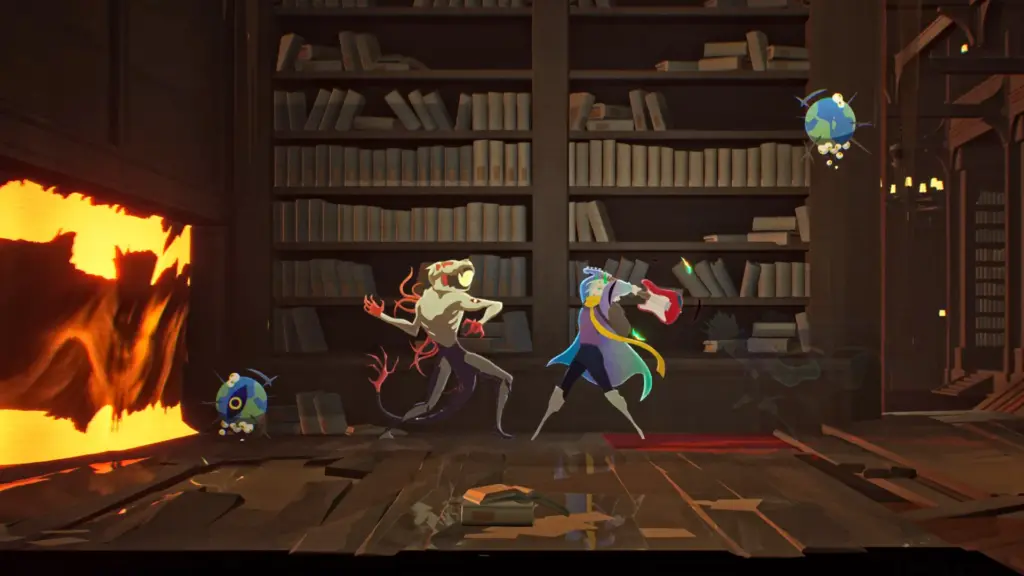
3D Environments with Depth
The environments have weight. They don’t feel like backgrounds, they feel like places you’re actually trapped in.
The lighting, reflections, and water effects give the city a sense of scale and danger without relying on excess detail.
Possessor(s) Game and its Hand-Drawn Characters

The hand-drawn character animation stands out against the 3D world in a way that feels intentional. It keeps the focus on Luca and Rehm while the city looms around them.
Why Possessor(s) Game Feels Different
Possessor(s) Game isn’t just another action platformer. Its strength comes from how closely its mechanics and story are connected.
You don’t play around the story. You play through it. The tension between Luca and Rehm is never separate from the gameplay. It shapes how you move, how you fight, and how you survive.
This makes every moment feel purposeful instead of decorative.
A Game About Survival and Coexistence
Possessor(s) Game isn’t only about escaping a ruined city. It’s about learning how to live with someone when separation isn’t an option.
That idea runs quietly under every battle and every jump. It gives the game emotional grounding without stopping the pace or turning it into something heavy-handed.
Final Thoughts on Possessor(s) Game
Possessor(s) Game has fast action, thoughtful design, and an unusual relationship dynamic that turns into something that feels focused and memorable.
If you enjoy action side scrollers that care about movement, atmosphere, and storytelling without overexplaining themselves, this one is worth keeping an eye on. It doesn’t try to be loud. It just stays sharp, tense, and deeply aware of what makes its world work. Check out Possessor(s) here!

Geek out with us!
- Newsletter
- Patreon
- Socials
- I Married a Monster on a Hill (Award-Winning Series)