
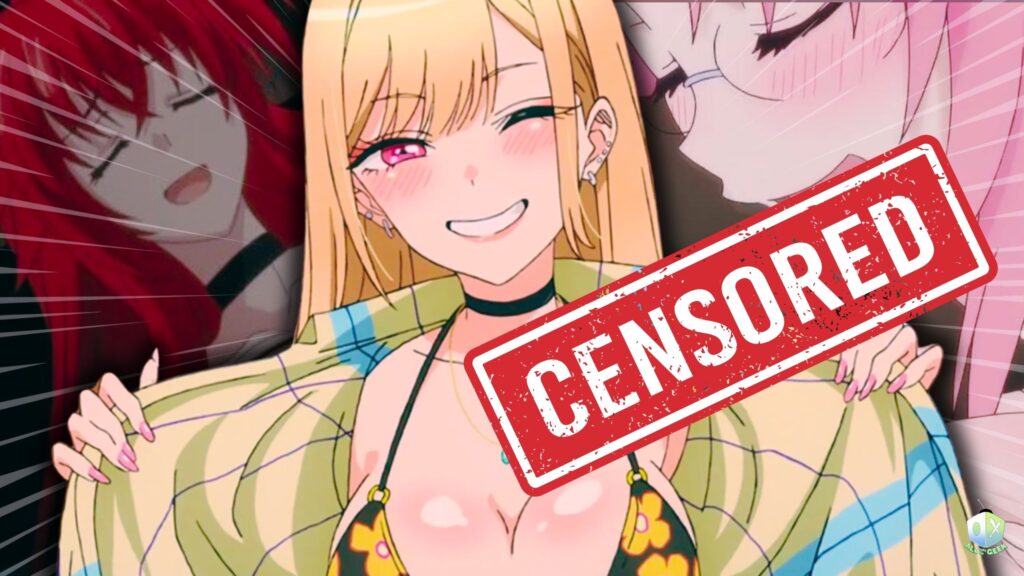

There’s a big problem in the anime community right now: anime censorship. From Ecchi anime to adult visual novels, from Japanese games to creative doujin projects, folks online are acting like they’re moral judges of what’s “allowed” to exist. A growing wave of anime censorship is hurting creativity and silencing the voices of original creators.
Let’s make one thing clear: Anime is not political. Anime is not propaganda. Anime does not need Western moral policing or anime censorship.
Creators, especially in Japan, are facing heavy pressure from loud voices on social media demanding anime censorship of “problematic” themes or “adult” content. Yet the same people cheering for restrictions don’t care that these artists rely on their work to survive. You can’t tell someone “make art, but only if it fits my morals”. That’s creative control.
The Rising Problem of Anime Censorship
Take a look at what’s been happening lately:
ChibiReviews called out the disturbing rise in Western anime fans celebrating anime censorship of Ecchi shows and adult content. Fans who claim to “love anime” are the same ones pushing for sanitized, lifeless versions that erase the passion behind the medium.
zkurishi has been documenting how these anime censorship pushes are hurting creators. When platforms start banning or hiding erotic and adult content, they’re not “protecting” anyone, they’re destroying livelihoods.
In another post, zkurishi pointed out how Japanese artists themselves are growing frustrated. Their work is being labeled as “problematic” or “unsafe,” when it’s simply part of Japan’s creative culture.
This isn’t about Hentai or Eroge. This is about artistic livlihoods. About letting anime and games express emotions, desire, struggle, humor, love, without being run through a moral checklist first.
Ecchi Has Heart, Humor, and Meaning
Here’s what a lot of people miss, Ecchi isn’t just “fan service.” Many Ecchi anime have strong themes, heartfelt character growth, and even powerful morals hidden between the laughs.
Fan service is a genre tool. It can express confidence, vulnerability, humor, and even be a huge plot device. Series like My Dress-Up Darling have been unfairly attacked for “objectifying women,” when in reality people do not understand the genre tool of fan service.
Ecchi isn’t made by one gender or for one audience. Many Ecchi works are written, directed, and illustrated by women. To say all Ecchi is “dehumanizing” is to erase the very people creating it.
Ecchi can be empowering. It can be goofy. It can even be heartfelt. Reducing it to just “icky boobas” misses the whole point.
How to Use Fan Service as a Genre Tool
Fan service isn’t just there to flash skin, it’s part of how Ecchi tells stories. It can show tension, gag humor, embarrassment, attraction, or even emotional honesty between characters who can’t say what they feel out loud.
In Ecchi, fan service can break tension, set tone, or build chemistry. A scene where someone trips into someone’s arms and falls flat face into a “squishy pillow” isn’t just “pervy”, it might mark the shift in their relationship. A hot spring episode isn’t just “filler”, it’s when we watch how characters act when the stakes are down with no towels.
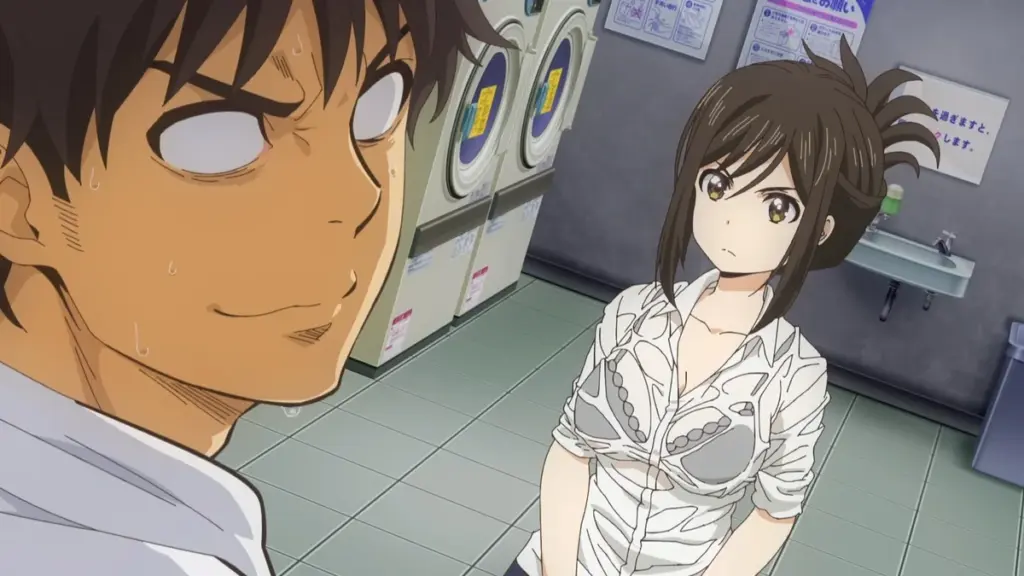
When used right, fan service becomes shorthand, a visual and emotional cue that fits the world the story’s in. Take it out, and you’re not just censoring bodies, you’re cutting out the beats that define the genre. Fan service is a language. Learn how it speaks, and you’ll see it’s saying more than you think. Or just don’t watch it.
What is a Genre Tool?
Think of it like this: Fan service to Ecchi is like fantasy politics to lore-heavy stories, you remove it, and the worldbuilding collapses. Fan service is the storytelling device. It sets tone, builds tension, shows attraction, and gives fans a visual guide. Like lore does to fantasy worlds.
When people demand Ecchi without fan service, what they’re really asking for is a different genre entirely. You wouldn’t strip battles out of a Shounen, or love confessions from a Shoujo, fan service is part of Ecchi’s storytelling grammar.
Ecchi Demographics
Here’s the thing a lot of critics don’t get: Ecchi anime isn’t made for kids. It’s made for adults, and the data backs that up.
Most Ecchi titles are published in Seinen or Josei magazines, demographics aimed at men and women in their late teens and adulthood (18+). These are readers with mature interests. They’re watching because the mix of humor, intimacy, and awkward tension speaks to adult experiences, crushes, relationships, self-confidence, and sexuality.
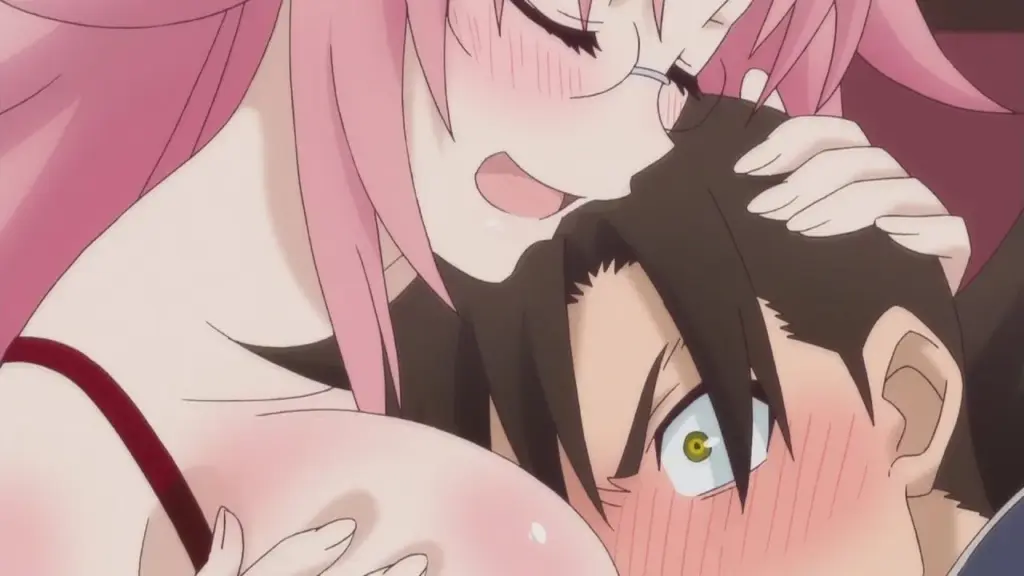
Even series like High School DxD or To LOVE-Ru, air late at night on Japanese TV. That’s the Otaku Time Slot, not Saturday morning cartoons. It’s intentionally programmed for adults who understand what they’re watching.
So when critics claim fanservice is “corrupting minds,” they’re missing the point, this content isn’t for youth or the faint at heart at all. It’s for grown audiences who can separate fantasy from reality and enjoy Ecchi as a creative, comedic, or romantic storytelling device.

Fiction Is Not Reality: Why Anime Censorship Misses the Point
This part should be obvious, but here we are, fiction is not reality.
Liking a spicy anime, playing a mature visual novel, or enjoying an adult scene doesn’t define your morals. Fiction is exploration, a safe space to dive into fantasy, desire, and imagination.
It’s dangerous to judge people’s ethics based on the media they consume. It’s strange how people have focused on these fictional topics while there are major real world issues going on.
We can appreciate mature content, discuss themes, and still know where the line is. People need to stop blurring fiction with reality.
Anime Is Not Political
Anime has always reflected life, the good, the bad, and the weird. It’s about characters, storytelling, and creativity, not politics. But now, people are trying to rewrite anime through modern ideological filters. Yes a number of anime series has politics, sure, but again fiction is not reality. It’s scary how far we’ve fallen from realizing this.
If you’re watching anime expecting it to teach you Western moral lessons, you’re in the wrong medium. Anime doesn’t exist to preach or conform. It exists to entertain, explore, and express.
Pushing “political correctness” into anime doesn’t protect fans, it destroys a medium. The more we force studios and creators to appease global sensitivities, the more we strip anime of what made it unique in the first place.
Adult Media Isn’t the Enemy, Stop the Anime Censorship
Adult anime, erotic visual novels, and mature-themed manga are part of the industry and they always have been. Japan’s adult scene fuels thousands of independent creators, studios, and voice actors. It’s not shameful. Anime tourists need to understand that these genres have been around for years before they were even born.
People enjoy different genres for different reasons. The story, the art, or the spice, adult media lets creators explore intimacy and relationships in ways mainstream titles can’t.
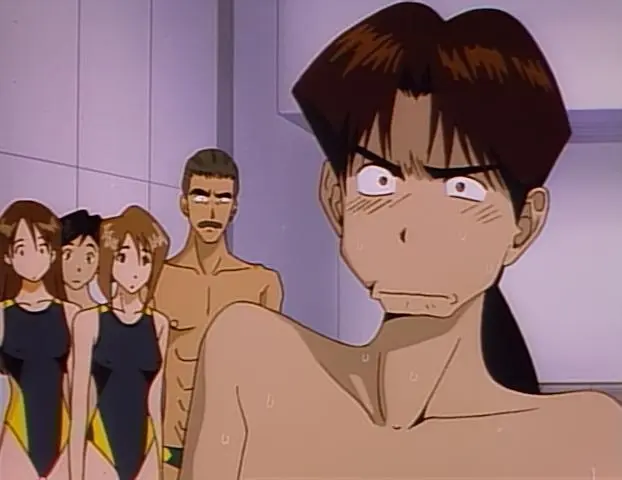
Banning or censoring that content doesn’t make anyone safer, it just punishes artists and pushes fans into underground spaces where gatekeeping starts happening.
A Cultural Divide That’s Growing
As zkurishi pointed out, there’s a major cultural misunderstanding happening right now between Western audiences and Japanese creators.
In Japan, adult content, fan service, and Ecchi are creative tools. Fiction is seen as fiction, not a reflection of real-world ethics. Western discourse, on the other hand, keeps projecting real-world moral expectations onto fictional characters and stories and that’s where the damage starts.
This divide is more than taste; it’s about intent. Japanese creators tell stories within their own culture, values, and creative traditions. When Western audiences demand they change, censor, or justify their art, they’re imposing a different worldview. Adult themes and fan service are again, genre tools.
Why Gatekeeping Might Be Necessary
As much as fandoms love to chant “anime is for everyone,” we’ve hit a point where not everyone respects what anime actually is.
There’s a difference between being a fan and being a reformer. When people come into anime, adult media, or Ecchi spaces demanding anime censorship, moral rewrites, and purity tests, they’re critics trying to sanitize something they don’t understand. A marketing tag is important. An Ecchi is labelled Ecchi for a reason. A Shounen is marketed as Shounen. Demographics are important but people still step into these zones without doing proper research.
That’s where gatekeeping can be healthy. To keep creative freedom alive. To make sure anime, games, and adult media stay true to their roots.
Our Stance on Anime Censorship
All Ages of Geek stands by adult media creators. We stand by the right to make, sell, and enjoy art without anime censorship.
We believe:
- Anime is not political.
- Anime should not be censored.
- Creators deserve to make a living.
- Ecchi anime is a genre and fanservice is not dehumanizing but a genre tool.
If you don’t like a show, don’t watch it. But don’t decide for everyone else what they’re allowed to see. While you’re at it go watch an Ecchi anime here’s a good list.
Want to work with us?

All Ages of Geek is a fully independent media platform, brought to life and sustained by the dedication of two sisters and the generous support of our community through donations. We’re passionate about creating content that resonates with our audience, and we’re excited to share our latest project with you—an upcoming game developed with our unique vision and creativity. Explore our other content and see how you can support our journey. Your engagement and contributions make a significant difference. Thank you for being part of our story.